Showing posts with label Paducah artists. Show all posts

Wednesday, December 9, 2015

Deb Lyons, Mixed Media Artist, Tells Her Story


It’s been fun and inspiring to read “Artists Tell Their Stories” this year. I’ve found similarities in so many stories, and fun differences in quite a few, too.


I’m Deb Lyons and I describe myself as an artist and an art educator.  I knew from a very early age that I wanted to grow up to be an artist. In the early 1950s that meant painting in abstract ways, wearing black turtleneck sweaters and hanging out with beatnik friends at jazz venues, or at least I thought it did.


Acrylic & mixed media


I was very lucky, as a child, to have a supportive family who indulged my wish for art lessons every summer. What a joy those creative days were. Unfortunately, I didn’t have any “art career” counseling during high school, so I thought that I should get a college degree in some area that I could fall back on during any “lean times” in my art career.


I enrolled in a well-known but small teacher’s college where everyone’s major was education and, of course, my minor was art. I had such a great time and, to my surprise, was totally bitten by the teaching bug.


Acrylic & mixed media


Fast forward a few years and I found myself with a dream job; teaching 1st through 8th grade art in a University Lab School during the day and going upstairs and teaching undergrad and grad students at night. A lovely bonus was having my two daughters as students throughout their elementary and middle school years. 


The creative energy of my colleagues was magical. The research and curriculum development was an all-year endeavor and it left little time or energy for my own art work. To fix this, I eventually found a teacher and co-hort of adult students that I met with once a week (for a number of years.) Life was good.


Acrylic & mixed media


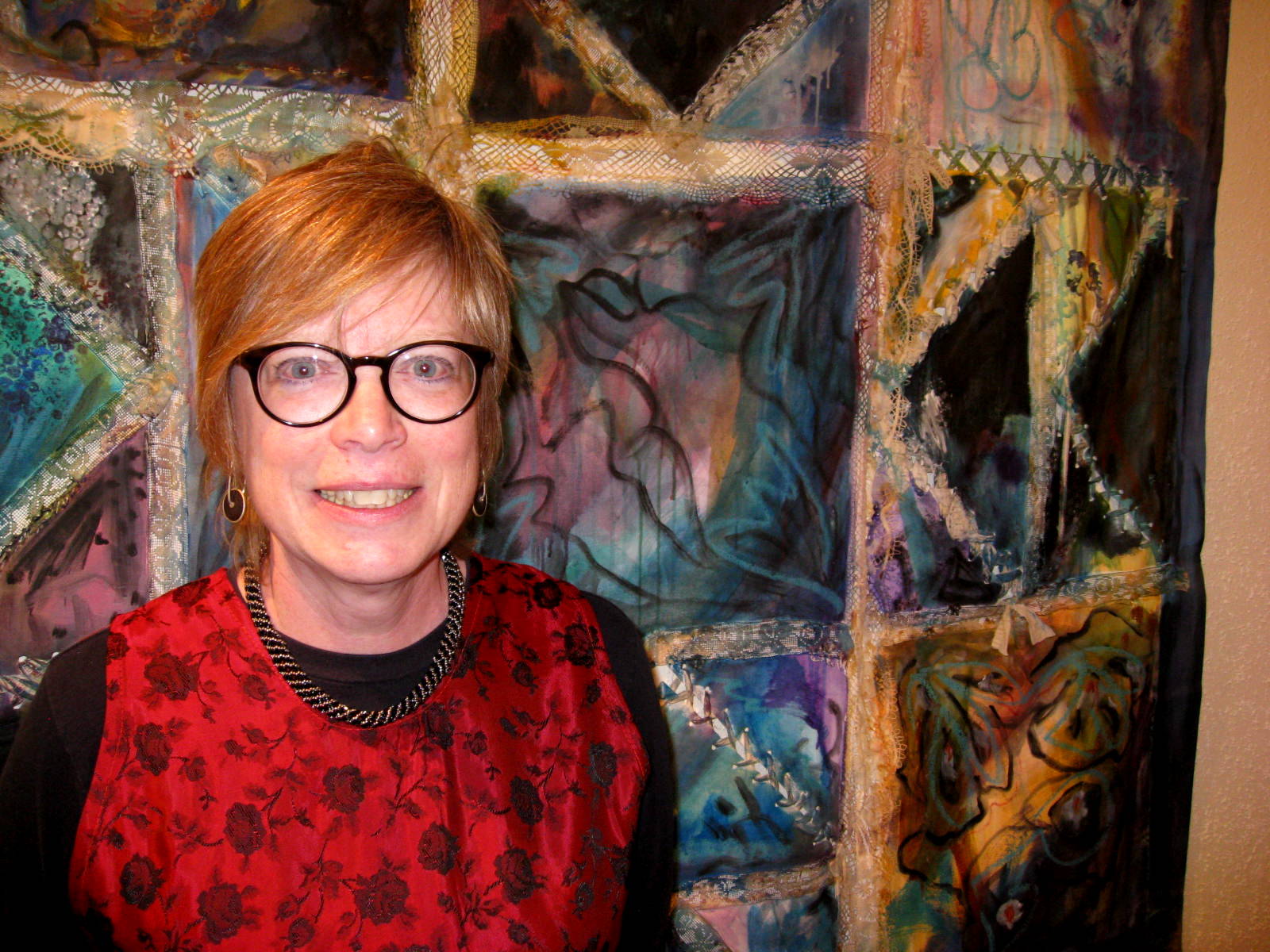
We all have our ups and downs, though. I found that I had a light case of breast cancer. I was surrounded by support and love but still needed to work through all that was going on. I found that large canvases became my breast cancer journals.


Acrylic & mixed media, from the breast cancer series


Using acrylics, surgical sutures, knives, lace and found objects, I was able to travel from darkness to light. I became part of a clinical drug trial and it is a joy to see that what was experimental then is a common part of breast cancer treatment options today. I’m happy to report that I’ve been cancer free for almost 20 years.


I’ve since been able to share my journey by exhibiting these mixed media pieces in a variety of venues. 

 
Large acrylic, lace, surgical suture & mixed media from the breast cancer series


Today I am still in love with creative explorations and teaching. My new students are adults at my local Easter Seals Adult Center. The joy is palatable, the successes are celebrated, and the friendships are deep.


"Xela Wins at Keeneland" Quilt, cotton fabrics, cotton batting


When Brenda approached me about posting on the blog I asked if I could share my story this week. December 10th is my Mother’s birthday. She passed away almost two years ago. She was an enthusiastic supporter of all of my artistic endeavors and I thought that this might be a small way to honor her memory.


As Joseph Campbell said, “Follow your bliss.”


This is Week 48 of 52 Artists in 52 Weeks. Thank you for reading and sharing Deb’s story today!

Wednesday, September 2, 2015

Nikki D. May, Artist & Designer, Tells Her Story


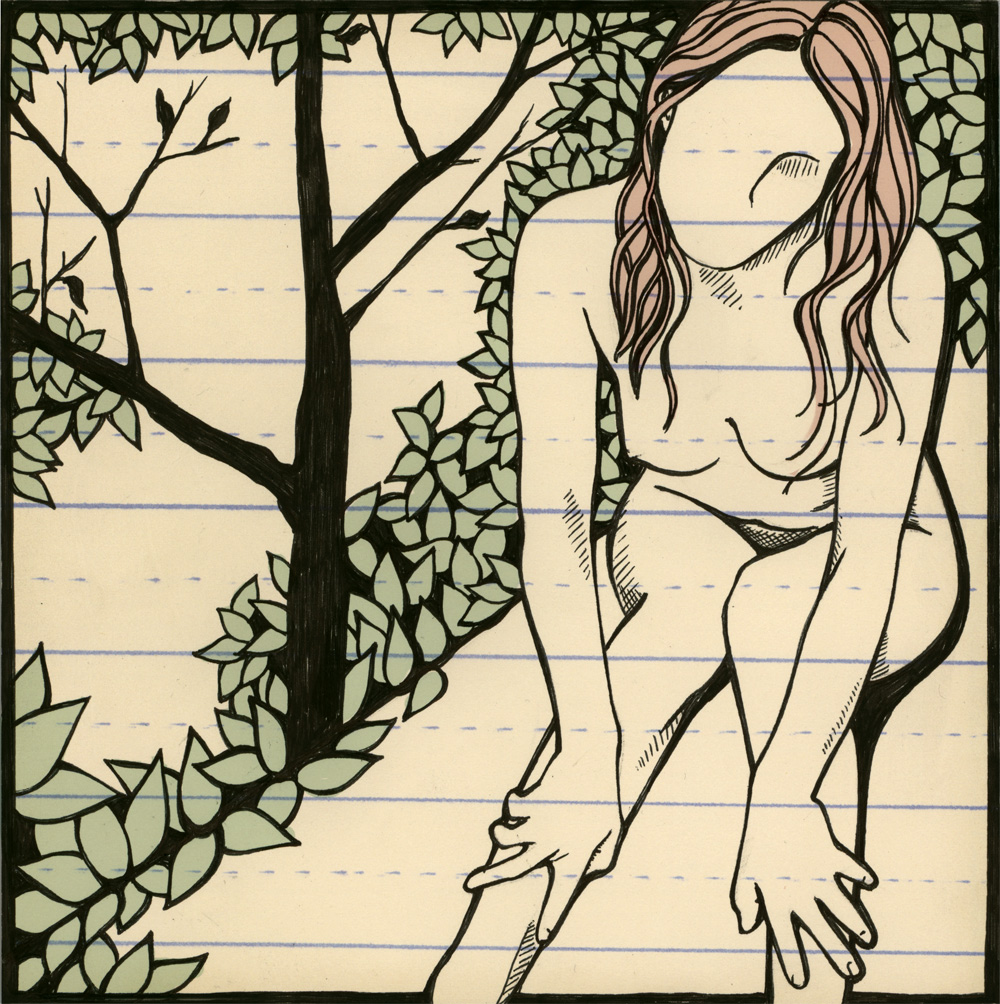
I’ve wanted to make art for as long as I can remember. I spent my childhood drawing more than anything else. I took every art class I possibly could as a teenager and never considered not studying art in college. I had a brief flirtation with graphic design when I attended the Rhode Island School of Design Pre-College summer program. But this was before computers and it held no appeal for me. I much preferred the time I spent in RISD’s Nature Lab where I was able to check out a taxidermied squirrel and take it back to my dorm room to draw it.

Unlike a lot of artists, I was also always really good at and very interested in math. I may be the only art major who actually took calculus as an elective in college. When computers became easily accessible, I was immediately hooked. But it took quite a few years before my art and my computers joined forces.


My undergraduate studies (University of Georgia) were in fine art - drawing and painting and my graduate studies (Savannah College of Art & Design) were in fibers. In between I’ve also flirted with printmaking, ceramic sculpture and jewelry. But drawing was always my first love. 

My first job when I finished grad school was for an apparel company in Alabama, designing t-shirts for organizations like National Audubon Society, Ducks Unlimited and The Nature Conservancy. Getting paid to draw plants and animals all day? Yes please! I got the job based on my drawing and (limited) design skills, but I had only used a computer for design for the one test assignment I was given for the job. So when I started working, and was presented with a computer to use to design t-shirts, I panicked (on the inside)! 


And so began my self-taught computer design career. I still spent the majority of my time drawing by hand, but learned how to use the computer to complete my designs. My professional life has been a tug-of-war between art and design ever since.


Art and design have some similarities and quite a few differences. They are both very creative endeavors that encourage problem solving and satisfy my lifelong need to create something. However, fine art (to me) allows me to be creative with no confines other than my own imagination and skill. Design is being creative in solving someone else’s problems. 

After the job at the apparel company, I moved back to Atlanta and freelanced for a while doing design and illustration for local businesses. This was in the mid 90s and the internet was just starting to be a place where people presented portfolios and looked for jobs. I taught myself enough web design and coding to put up a portfolio website to show my design and art work in the hopes of getting more freelance work. I launched a website for my newly named design business - Blue Frog Designs - in early 1997.


I started listing web design and HTML skills on my resume and job searching websites. In late 1997, after one freelance web design/development job I was contacted by a contracting company looking to fill a 30-day temp job doing HTML for IBM. That temp job turned into a 10-year career ending with me as a Creative Director working with clients like The New York Times, Carrefour (the second largest retailer in the world at the time) the 2000 Sydney Olympics and other global companies. 


It was an amazing experience that I have no regrets about, except that it took me away from working on my own art for many years. I was working 80-hour weeks and traveling quite a bit and when I had any free time, I had no creative energy left to make art. I had an amazing creative career with impressive clients and better salary and benefits than any art major ever imagines, but I was dying inside. I knew I needed to make a change.

I decided to go back to freelancing and brought Blue Frog Designs back to life, with the thought that I could control my own schedule and do enough design work to pay the bills while having the time and energy to get back to my own art. I decided that I’d need to leave Atlanta, since I wouldn’t be able to afford to live there any longer without the high-paying job. I found Paducah, Kentucky and the Artist Relocation Program while looking for a smaller, more affordable town that still had something going on culturally. This was in early 2003. By the end of that year, I was living in Paducah’s LowerTown Arts District. It was another four years before I left IBM and went out on my own again, but in that transition time, I got back into making art and settled into a community that I love.


I’m still walking that line between art and design, but as time goes on it’s more and more on my own terms. The design still pays most of my bills and I’m working on tipping the balance more towards art - but the tug-of-war between art and design is now feeling more like a nice balance and not a struggle. I used to see it as two different worlds that I went back and forth between, and now I’m feeling as if it’s merely two sides of who I am. My biggest project right now is merging those worlds conceptually and literally. In the past I have always considered it two separate businesses and maintained two separate websites for the art and design. I am currently working on merging the two - from Blue Frog Designs for my design work and nikkimay.com with my art portfolio - I am forming one business, one site under the name Nikki D. May Art + Design, where you’ll be able to see all of the work that I do for myself and for my clients. 


It’s been a long road, but I’m well on my way to living the more balanced life doing the art and design work that I love!

You can find me at the following places:

nikkimay.com (Please sign up for my email list to get updates and find out when the new art + design site launches!)


This is Week 34 of 52 Artists in 52 Weeks. Thank you for reading and sharing Nikki's story today!

Wednesday, July 8, 2015

Kelsie Gray, Blogger, Tells Her Story


The Art of Living Intentionally


I almost wrote “living simply” instead of “living intentionally.” I wanted to write it. It's a phrase people use so often when they speak of growing food or making their own beauty products or learning a craft such as sewing or soap making.


But it's misleading.


To most people, the word “simple” means “easy.” And “easy” means something that can be accomplished quickly and with little thought or care.


So what is easy? Running to the supermarket and buying a bag of imported apples or a dozen eggs for $3 is easy. Throwing away a ripped skirt and using one-click, online ordering to have a new one shipped to your doorstep is easy. Speeding through the drive-thru and feeding yourself from the Value Menu when you're grumpy and exhausted from a long day at work is easy.


But when people think of “the simple life,” they picture apple trees laden with ripe fruits. They picture hens pecking contentedly around a yard. They picture homespun clothes and family meals where everyone is talking, laughing, and piling their plates with made-from-scratch biscuits and homegrown corn.


But achieving any one of those things is not simple. It's not easy. It's not expedient or carefree or clean.


And as much as people may say they crave “the simple life”, what they really seem to want is the Norman Rockwell version of that exact moment when the result of a lot of very hard work finally reaches fruition. They want the apple in all its gleaming, crisp sweetness, and they want it to be organic and local. But they don't want the three or four years of waiting for the tree to produce its first, small harvest. They don't want the fire blight and the coddling moths and the pruning. They don't want the anxiety of whether the tree will survive an ice storm. They don't want the yellow jackets that swarm the overripe fruit.


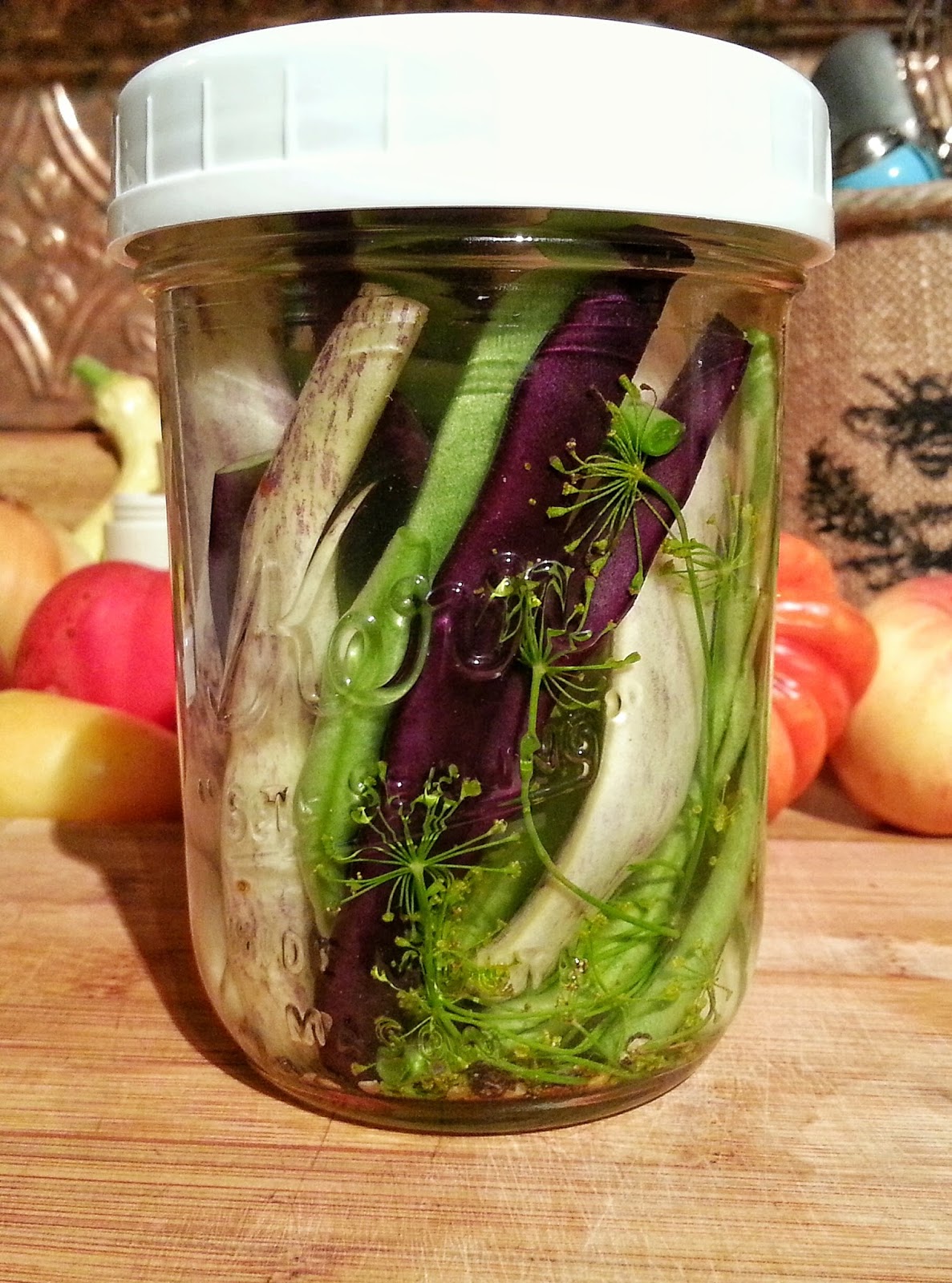
I don't want most of those things, either. But I will embrace them anyway, because they're part of the journey I've chosen for myself. From raising chickens to keeping bees to cooking from scratch almost every night, the things I do are not simple. But they are so, so rewarding. That is why I have chosen to live intentionally.


So what does it mean to live intentionally?


Living intentionally means doing things on purpose, for a purpose. It means learning to value experiences over stuff. It means redefining “wealth” not as how much money you have or how many possessions you own, but rather how content and happy you feel during each step of the journey that takes you from a tiny seed planted in February to a pot of tomato sauce simmering over a low flame in October.


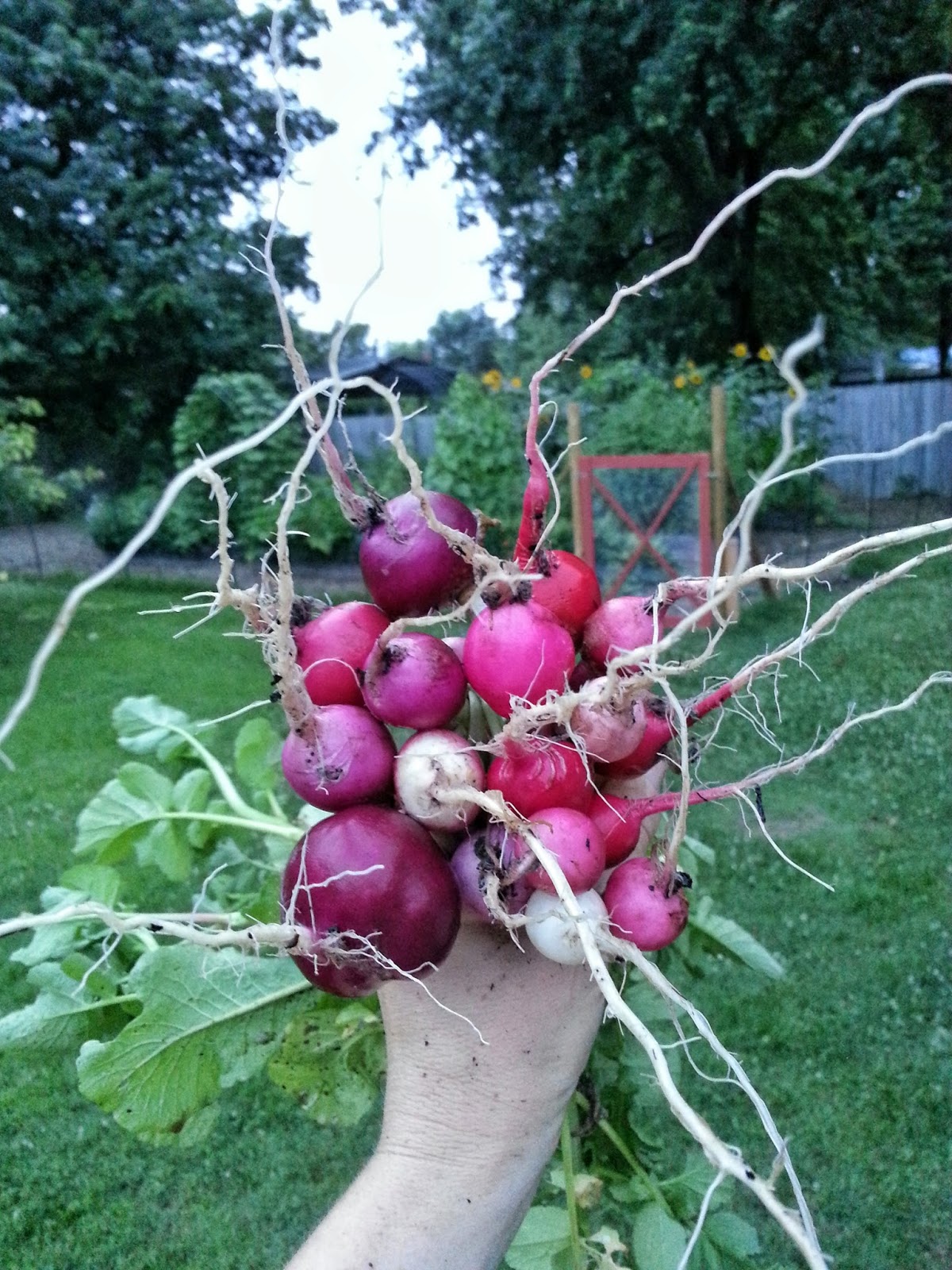
To me, there is nothing more exciting than poring over seed catalogs in the dead of winter—until my newly ordered seed packets arrive in the mail. Then, there is nothing more exciting than poking those miniscule seeds into warm soil and setting them under grow lights in my basement. After that, there is nothing more exciting than watching the first leaves of the first baby tomato push its way out of the dirt. Come April, when the plants are literally bursting out of their little peat pots, I celebrate as I place each tomato start out in the freshly turned earth of the garden. Then comes the joy of the first flowers, the thrill of the first green fruits, and the joy of seeing that faint, pinkish blush appear. Then, suddenly, all of your tomatoes start ripening at once, and you're spending your Sunday afternoons chopping, roasting, pureeing, and freezing them, and that makes you happy, too.


It would be so incredibly easy to just drive to the store and buy a pound of tomatoes from Mexico for a few bucks. The fruits might even sort of taste like a tomato, if only faintly. But I'll take the hornworms and the blossom end rot and the endless weeding any old day for just one bite of a dusky, earthy, perfectly ripe Cherokee Purple tomato. I'll take the flies and the poop and the tragic attacks by predators for just one taste of a rich, sun-colored yolk from one of my laying hens. I'll take some blindingly painful stings to the face if it means I can have a small sample of golden honey from my own hive.


I live intentionally for many reasons: because I want to know where my food comes from; because I want to be a maker and grower and creator;  and because our systems of industry are doing so much wrong to our world and all its creatures (including each other). I want to opt out of those systems every chance I get.


Will a homegrown tomato save the world? Probably not. Not really. But it won't bring further harm to the world, either. If everyone grew a tomato plant or two, and ate only the tomatoes they could harvest from that plant, then immigrant farm workers in Florida wouldn't earn $5 a day picking tomatoes while getting doused in pesticides and herbicides. We will not die without ketchup. But actual human beings will die because we feel entitled to ketchup.


It's a heavy way to think, but that's what intentionality is—thinking before you buy, eat, or drink something. Thinking before you throw something away. Thinking about what you're putting in and on your body; about what you're sending down the drain; about what you're filling your mind with every night before bed.


Obviously, no one can live on this earth without leaving footprints. I would be pretty sad without butter, pasta, or avocados, and since I don't have a cow, the ability to grow wheat, or the kind of climate that keeps an avocado tree alive, I'm going to continue buying those things from the grocery store. I can't make all my own clothes (yet), but I patch or repair what I can, and buy gently used items rather than brand new ones. Is sewing a rip in a shirt the most fun I've ever had? No, but there's something almost meditative about spending half an hour with a needle, some thread, and some good music. The same goes for the strange pleasure I derive from hanging my clothes out on a line to dry or cleaning my house with some white vinegar, hot water, and a few drops of lemon oil. All any of us can do is make the best choices we can possibly make within our own means. Hint: the best choice is rarely the easiest or most thoughtless choice.


Intentionality is about making connections—connections with the earth, with the seasons, with animals, with insects, with tiny microorganisms in the soil and behemoth thousand-year-old trees, and with people, of course. If you can't make something yourself, at least learn about where it came from. And if the story of its origin makes you sad or angry, then choose to support a product or service that came from a place or idea that fills you with joy or peace. And if that option isn't available to you, either, then learn to do without, and find your contentment in the absence of that thing.


I'm not encouraging you to deprive yourself of pleasure or forgo the things you want. Living intentionally is about finding delight not just in the reward, but in the work and sweat and pit-stops it took to get there. It's about biting into the apple and laughing about the worm. It's about tasting the honey and wearing that bee sting like a badge of honor. It's about marveling at the tenacity of the weeds and the fragility of the carefully cultivated flowers. It's about the blisters, yes. But it's also about the bliss.


To connect with Kelsie, please visit her blog at: iNest
She can also be found on Instagram at: Kelsie.D.Gray


This is Week 26 of 52 Artists in 52 Weeks, we are half way through the year already! My goodness, how time flies when you're in the flow. Thank you for reading and sharing Kelsie's story today.